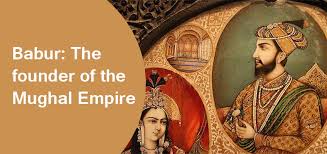
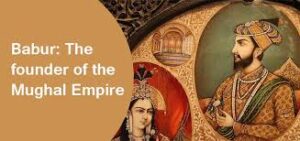
Introduction Babur (1483–1530) was the founder of the Mughal Empire and the first Mughal emperor of India. His reign lasted from 1526 to 1530, but its impact was far greater than its brief duration. Through military skill, strategic leadership, and administrative vision, Babur laid the foundations of an empire that would dominate much of the Indian subcontinent for more than three centuries. His victory at the First Battle of Panipat in 1526 marked a turning point in Indian history and ushered in a new era of political and cultural development. Early Life and Background Babur was born on 14 February
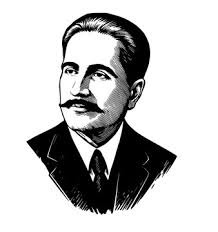
🟢 Introduction Allama Muhammad Iqbal was one of the greatest poets, philosophers, and political thinkers of the Muslim world. He is widely known as the “Poet of the East” because of his remarkable contribution to Urdu and Persian literature. His poetry inspired millions of people and played a significant role in awakening the political and spiritual consciousness of Muslims in the Indian subcontinent. Through his powerful ideas and visionary thinking, Iqbal laid the intellectual foundation for the creation of Pakistan. His works continue to inspire people around the world with messages of self-respect, unity, faith, and progress. 🟣 Image 1:
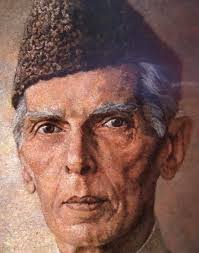
The Founder of Pakistan 🟨 Introduction Quaid-e-Azam Muhammad Ali Jinnah is one of the most respected and influential leaders in the history of Pakistan. He is known as the founder of Pakistan and played a vital role in achieving a separate homeland for the Muslims of the Indian subcontinent. His determination, leadership, intelligence, and commitment to justice made him a remarkable figure. Quaid-e-Azam’s vision and hard work led to the creation of Pakistan on 14 August 1947. Even today, people remember him as a symbol of unity, faith, and discipline. 🟥 Early Life and Education Muhammad Ali Jinnah was born
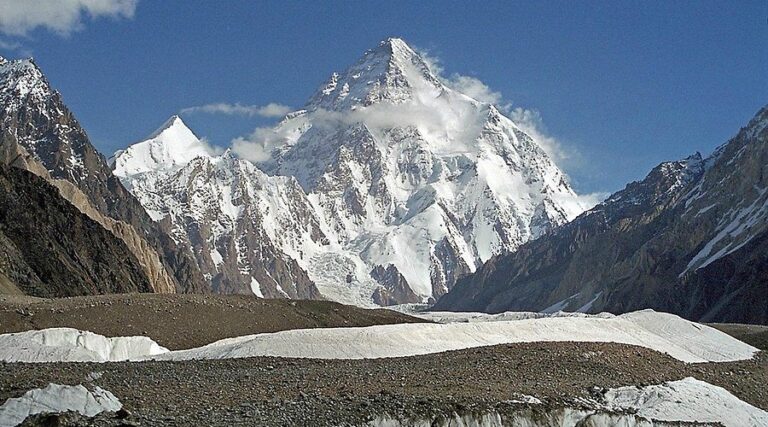
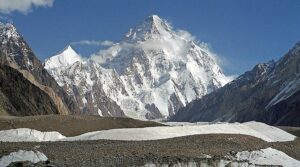
4 K2 Mountain: The Ultimate Test of Human Endurance Rising dramatically above the rugged wilderness of the Karakoram Range, K2 is one of the most iconic and awe-inspiring mountains on Earth. Standing at an elevation of 8,611 meters (28,251 feet), K2 is the second-highest mountain in the world, surpassed only by Mount Everest. Yet among mountaineers, K2 is often considered the greater challenge. Its steep slopes, unpredictable weather, and technical climbing routes have earned it the legendary nickname “The Savage Mountain.” Located on the border between Pakistan and China, K2 dominates the skyline of the Karakoram Range and attracts elite
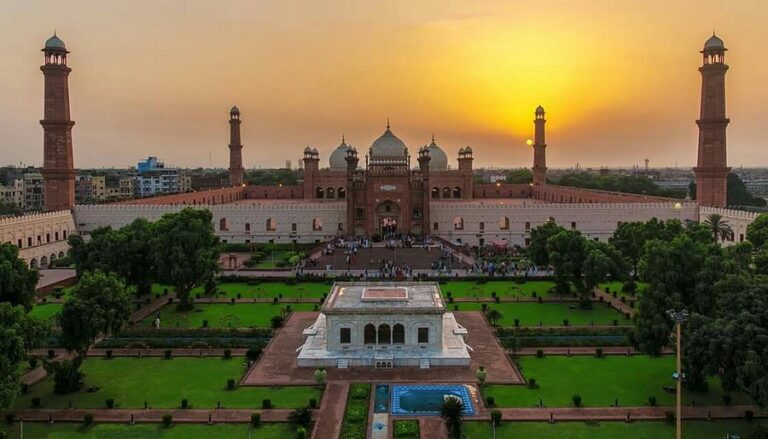
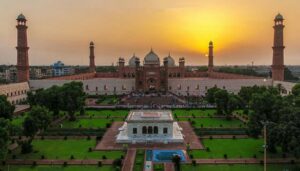
4 The Badshahi Mosque, also known as Badshahi Masjid, is one of the most magnificent examples of Mughal architecture in South Asia. Located in Lahore, it stands opposite the historic Lahore Fort and remains one of the most recognizable landmarks of Pakistan. Built during the reign of the Mughal Emperor Aurangzeb, the mosque symbolizes the artistic, religious, and architectural achievements of the Mughal Empire. More than three centuries after its construction, it continues to attract worshippers, historians, architects, and tourists from around the world. Historical Background The Badshahi Mosque was commissioned by Emperor Aurangzeb in 1671 and completed in 1673
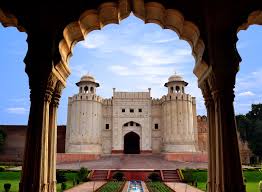
Introduction Lahore Fort, also known as Shahi Qila, is one of the most famous historical landmarks in Pakistan. Located in the heart of Lahore, the fort represents the glory, culture, and architectural brilliance of the Mughal Empire. It stands beside the magnificent Badshahi Mosque and attracts thousands of local and international tourists every year. The fort has witnessed centuries of political changes, royal ceremonies, wars, and cultural development. Because of its historical and architectural importance, Lahore Fort was declared a UNESCO World Heritage Site in 1981. The fort spreads over a large area and contains beautiful palaces, gardens, halls, mosques,